3 Ways to Animate Fire in TV Shows
Jun 05, 2026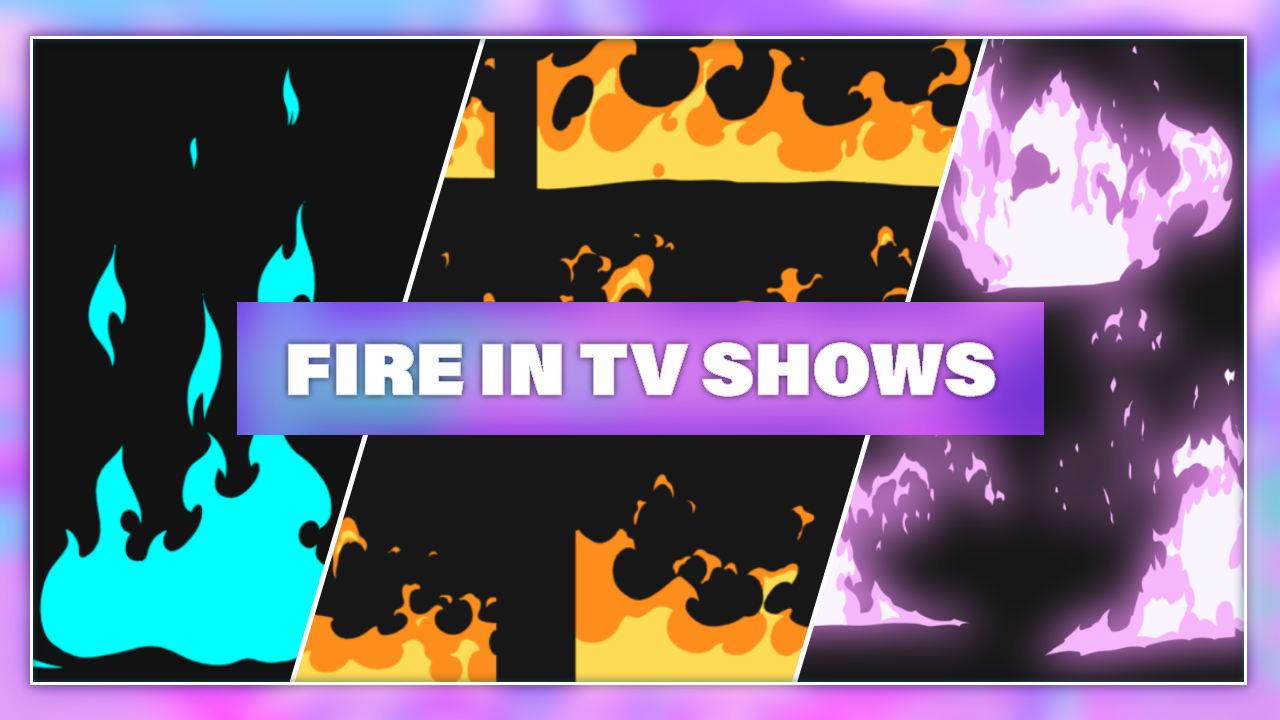
The Simpsons, Rick and Morty, and Arcane are all works of animation, but there’s a catch: production value. How much the studio invests in the VFX department (and whether they even have one at all) affects the final look of the FX in their episodes. Today, we’re tackling how fire would look in three different production budgets.
Low-Budget Series (Inspired by The Simpsons)
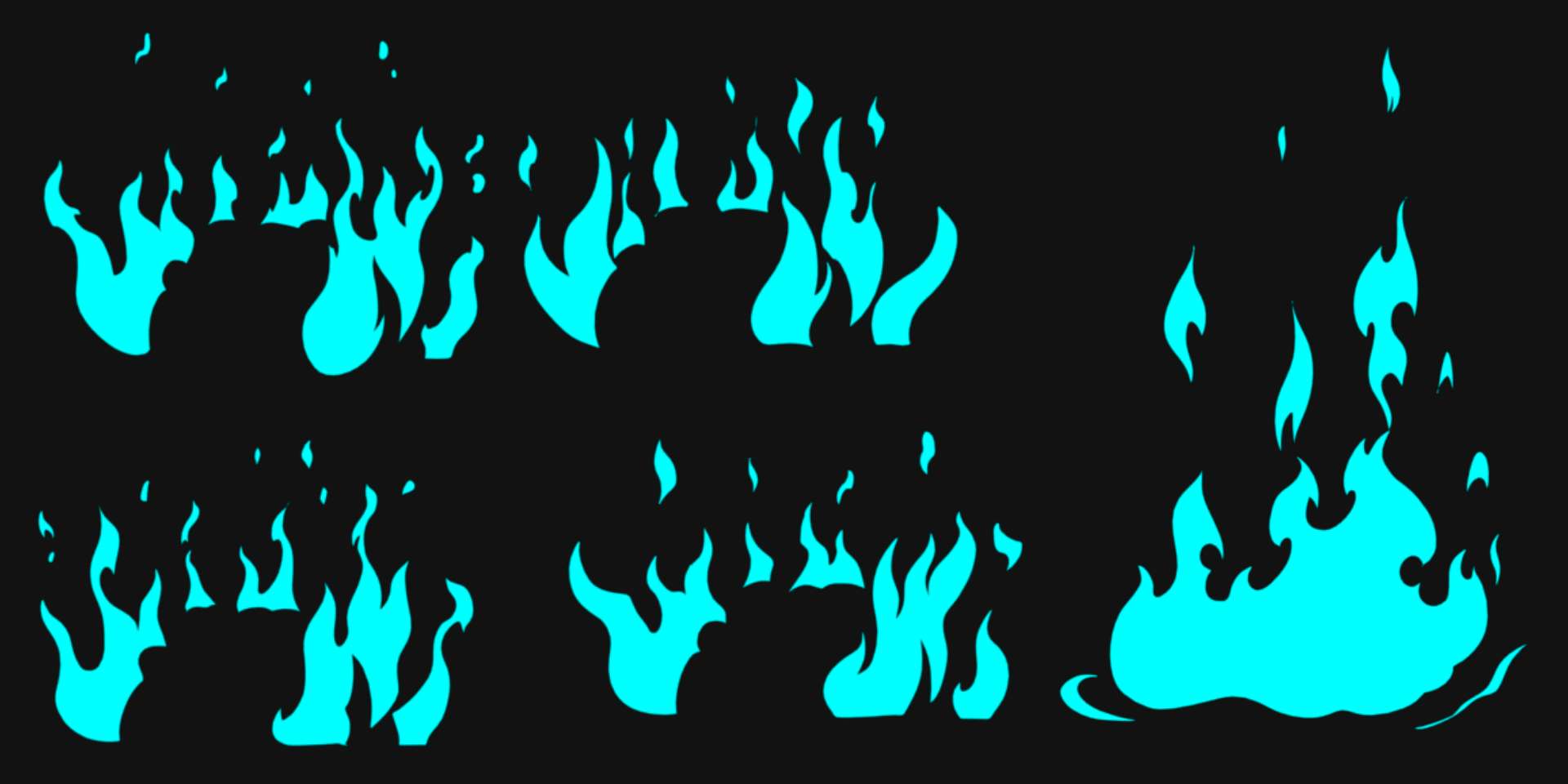
This world-famous show is famous for being funny, relatable, and for its iconic characters and script, not for its VFX. So, when it comes to creating fire in this setting, it would have been heavily stylized, with a limited number of frames in a flipbook, and probably reused across many episodes as needed. The VFX would execute the idea of fire perfectly, and no post-processing needed to get the point across - this thing’s BURNING!
TV and Animated Series Budget (Inspired by Rick and Morty)
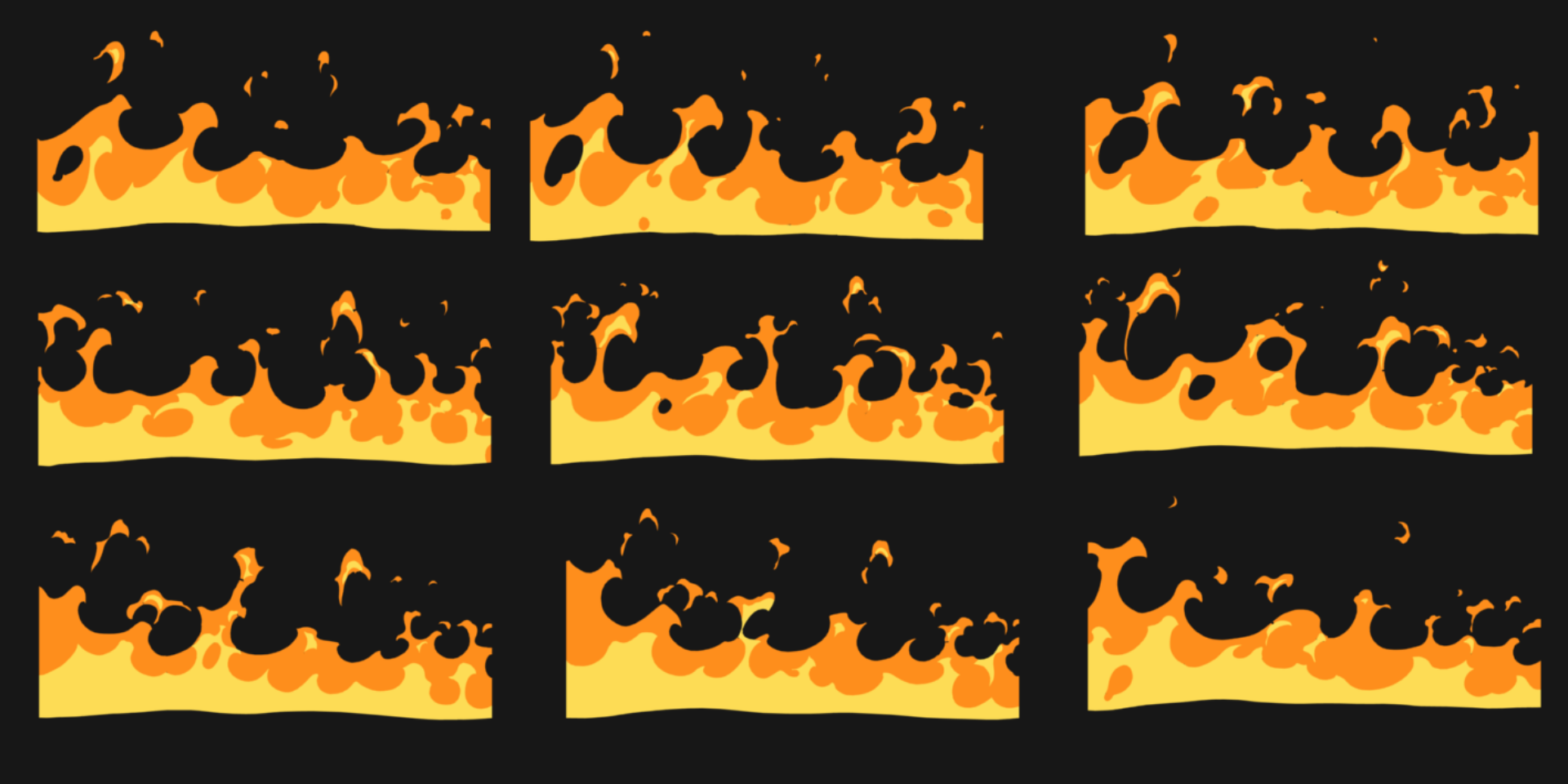
The shows that fall into this category would give more attention to VFX than the latter. The fire animation would have more drawings, each having a higher level of detail and implementing secondary shapes. Overall, the shapes would be more creative and look interesting in the shot composition.
Fun fact: a distinguishing feature of this medium-budget VFX production is the so-called "money shots": big explosions or an intro sequence that takes more time to create and represents a high-impact moment of an episode.
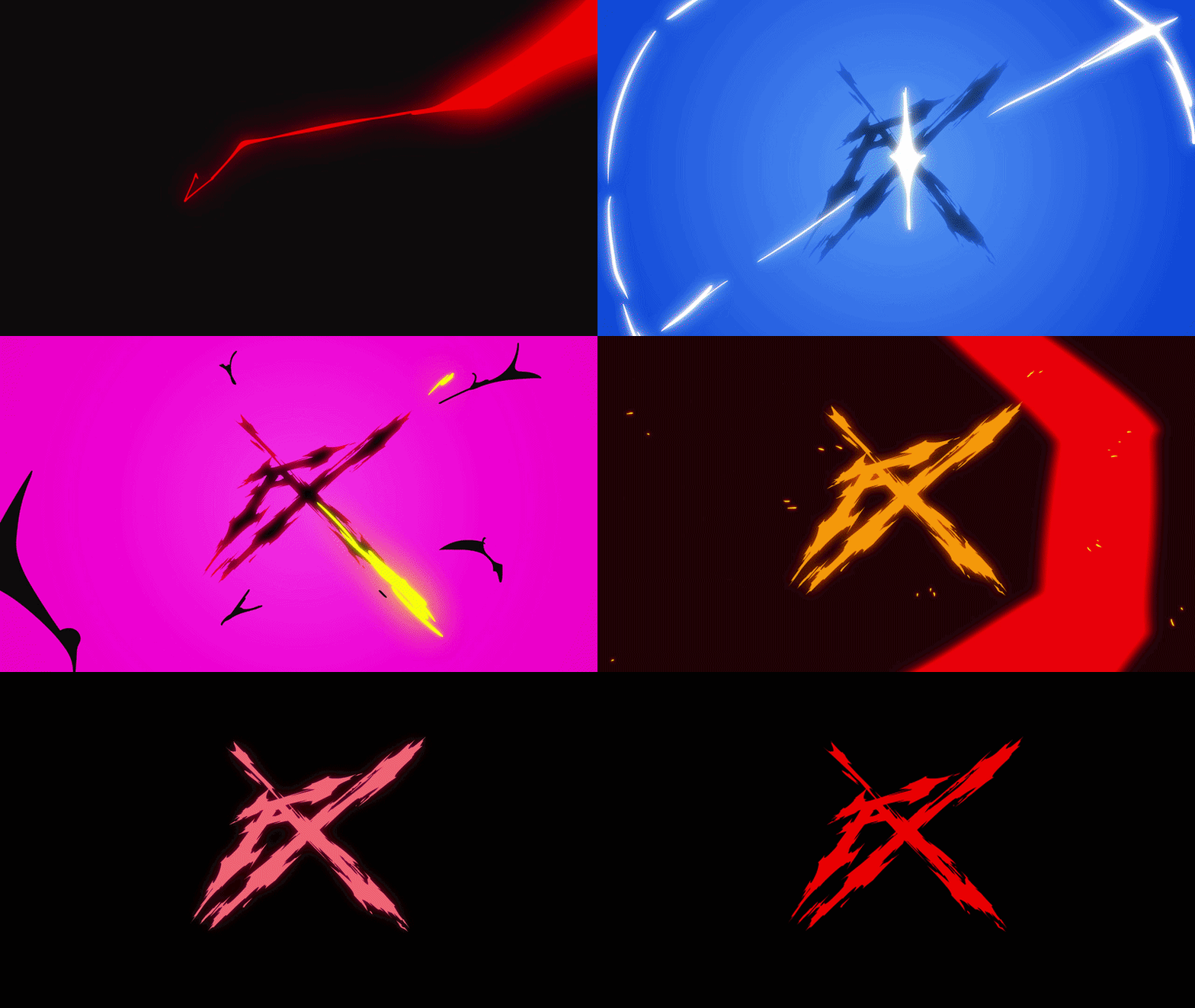
High-Budget Animated Feature Series (Inspired by Arcane)
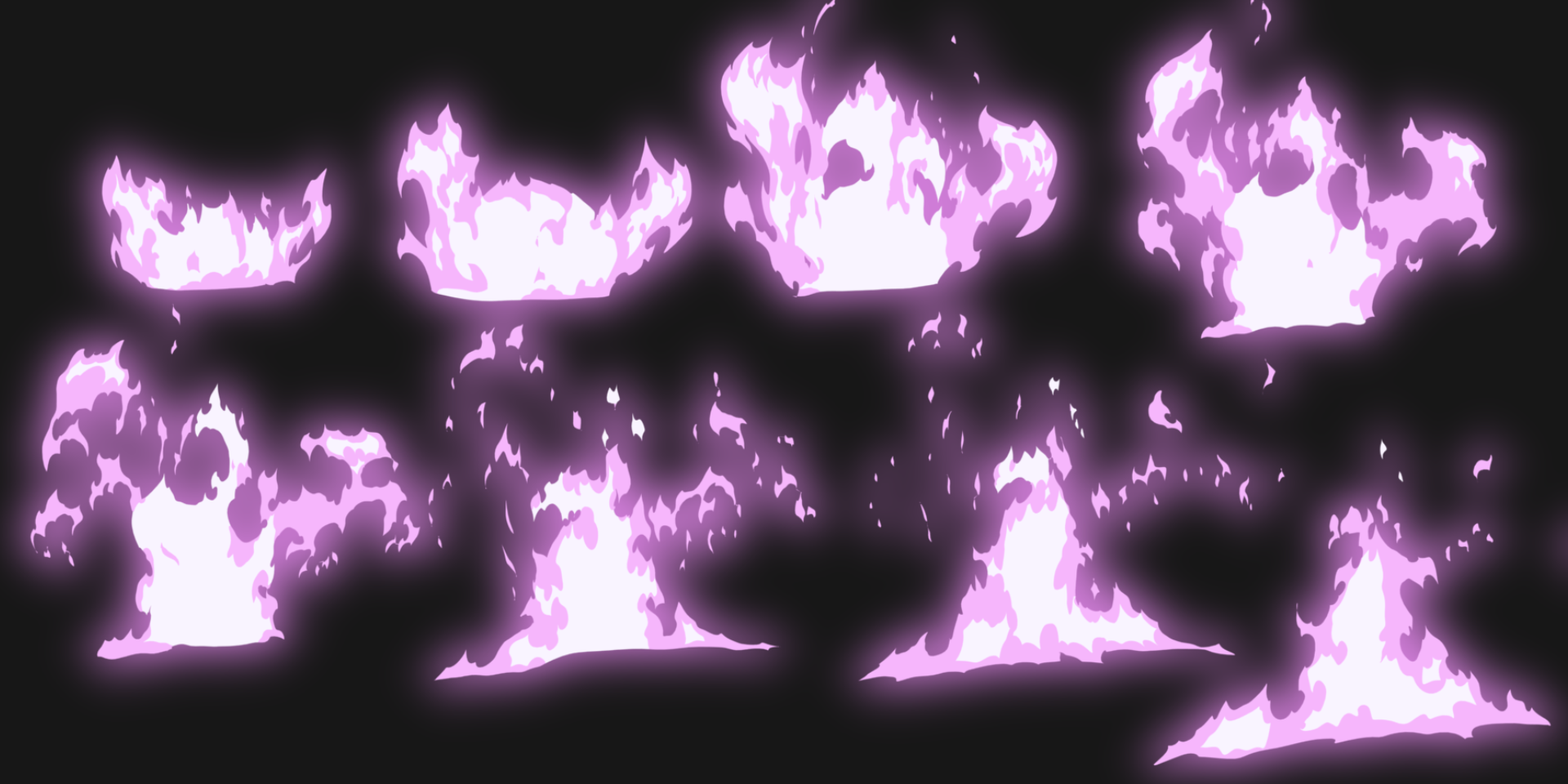
Now onto the BIG one - heavily composited, looking more realistic, extremely believable. In productions like this, fire shapes are always on point: aggressive, with plenty of character, graceful dissipations and transitions, and lots of detail. Each explosion is treated like a "money shot" mentioned earlier, with a concepting phase and plenty of polish to bring it to the desired "WHOA!" level.
Fun fact: in Arcane, we know that the characters are 3D while the effects are 2D; when meshed together, they create a style known as 2.5D.
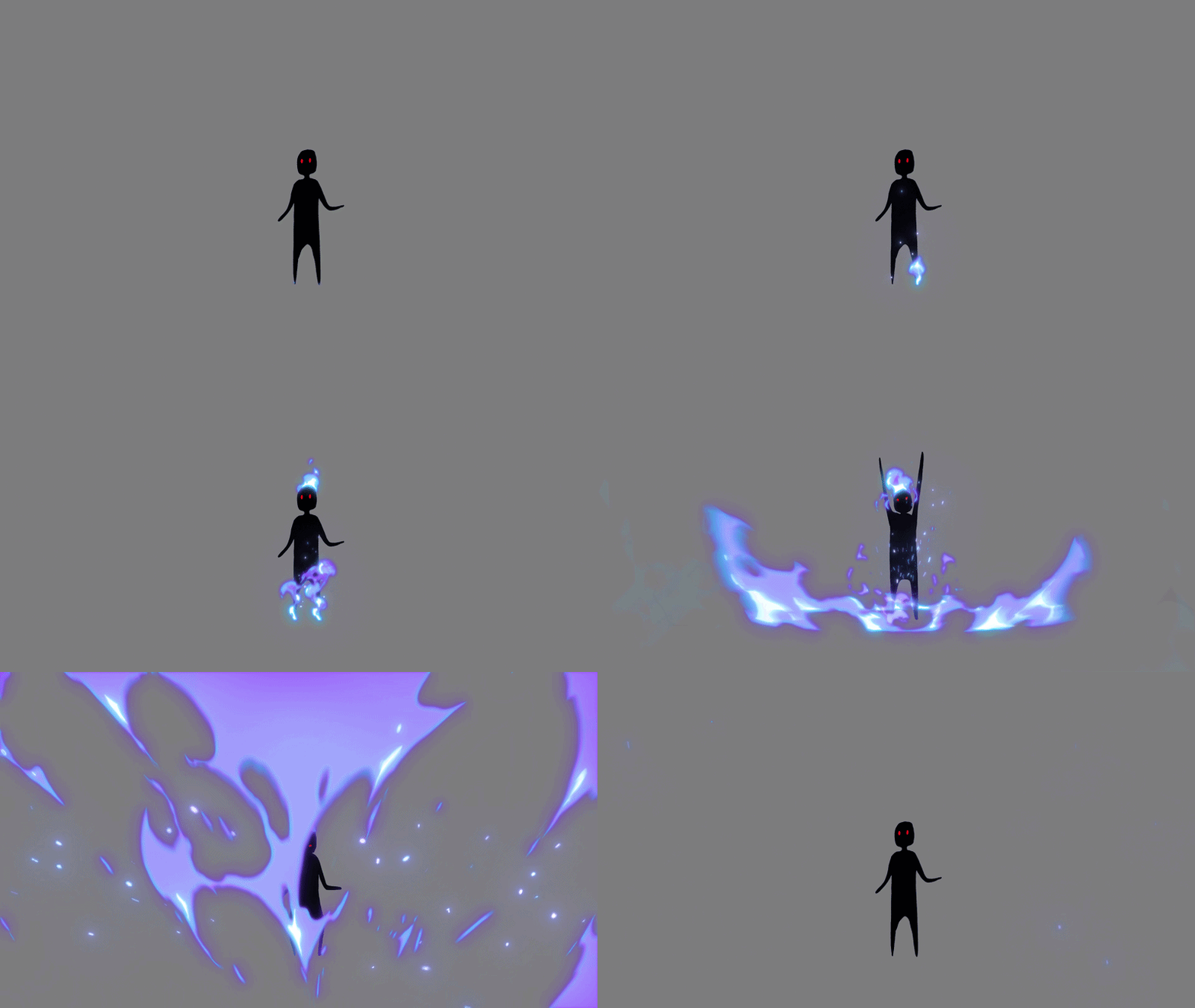
Now that you know all this, how do you start practicing the style that you like?
No matter the style, start by finding a suitable reference and start tracing the shapes. This doesn’t mean you will copy the reference 1-to-1, tracing a design is a very helpful practice to get familiar with the shape and get into flow.
When you feel comfortable with the shape design, you can start animating. To make it easier, begin with a rough sketch of a few keyframes that you know you want in your animation.
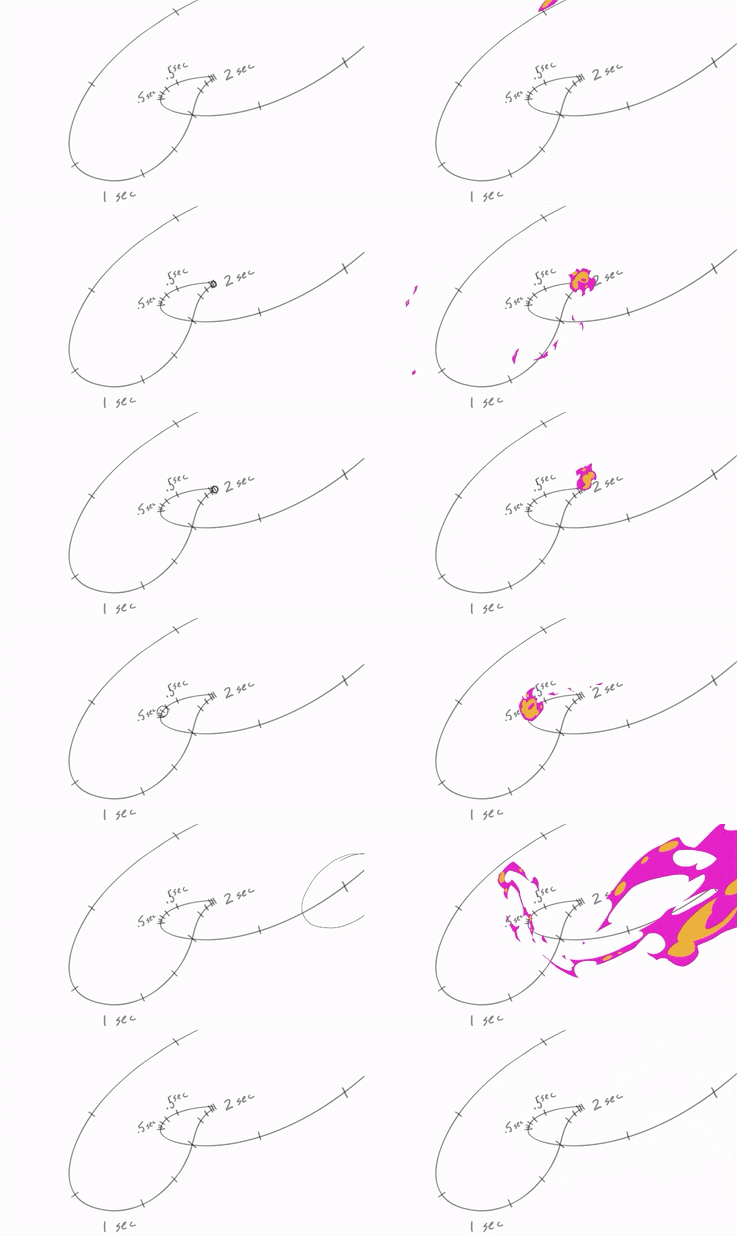
Don't be scared of the amount of work you have to do; you just have to plan it one by one. Begin with the main shape, then add negative space, add secondary shapes, then add smoke trails or embers, and so on. Move from the easiest to the hardest, and you'll get there!
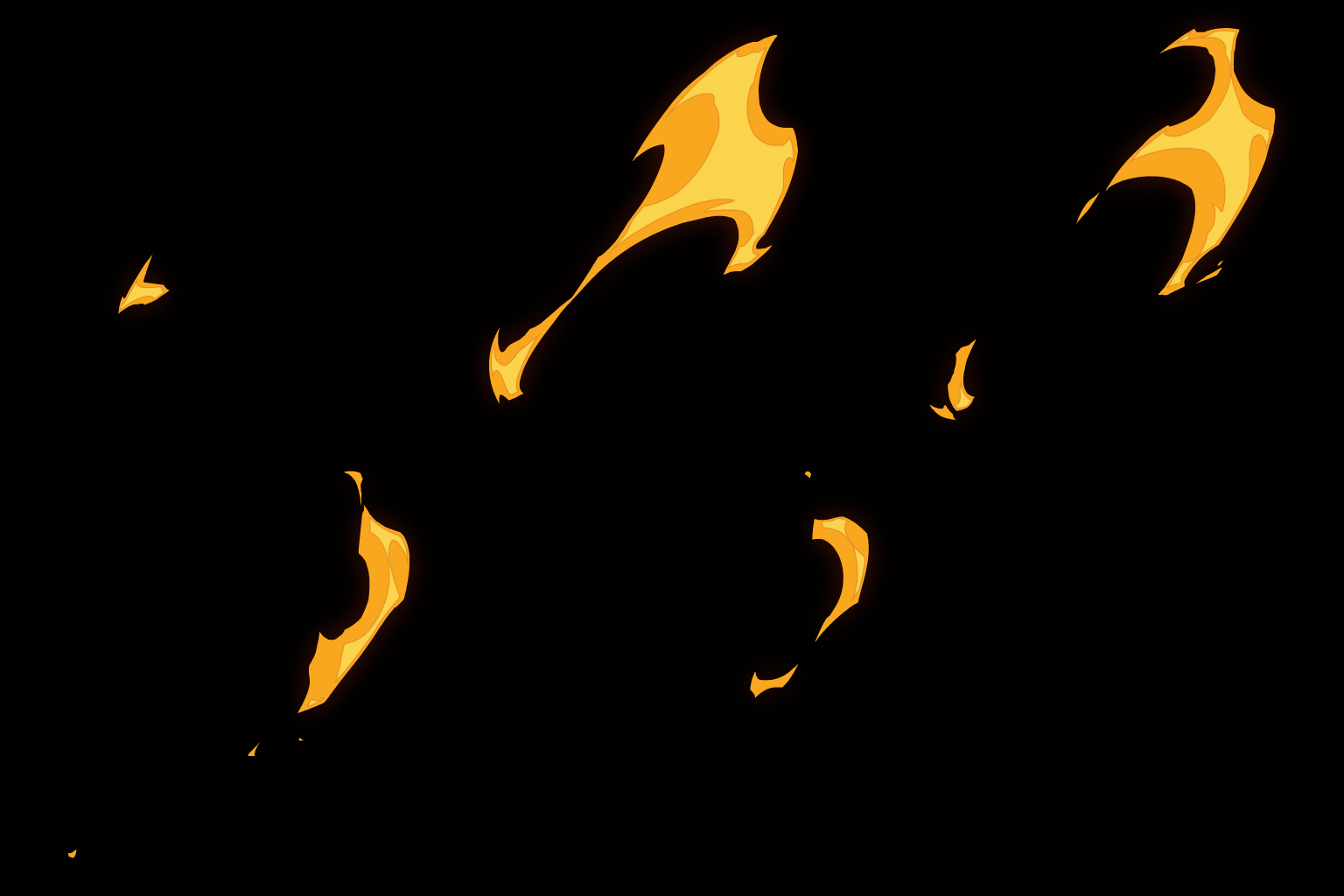
In our curriculum, we do exactly that - start with very simple, rudimentary animations and ramp up the difficulty gradually. Our mentors carry out the incredible work of teaching 2D animation, shape language, and all other adjacent skills.
Start Your VFX Apprenticeship
Begin your journey towards mastering FX for games and animation. Join VFX-A All Access and discover cutting-edge 2D, 3D, and real-time FX training.