Deconstructing Anime Combat Magic: How Genshin Impact Achieves Legendary VFX
Sep 18, 2026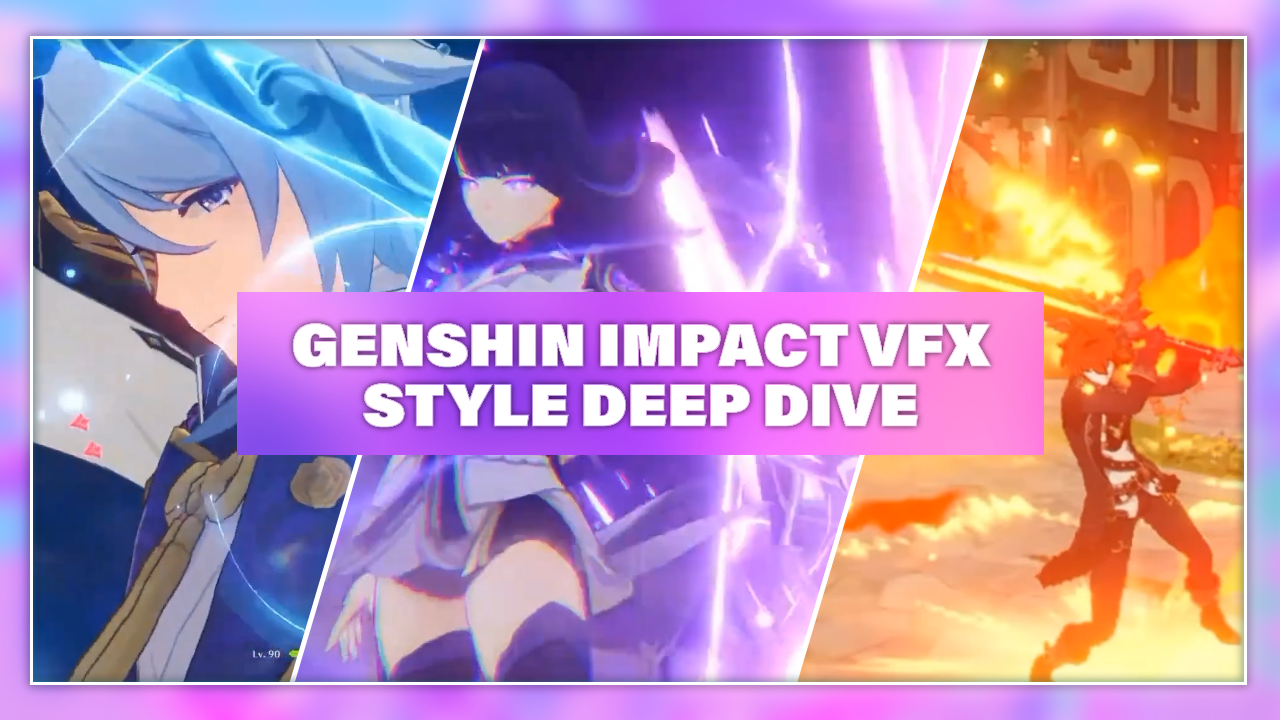
Have you ever paused a Genshin Impact combat clip frame by frame? If you’re a VFX artist, doing this is like taking a masterclass in visual psychology. When Raiden Shogun unleashes her ultimate, or a claymore character lands a massive elemental crit, the screen completely bends, informing the viewer of the impact.
HoYoverse doesn't rely on heavy simulation or expensive physics to create that massive sense of impact. Instead, they use brilliant, highly optimized technical art tricks that cheat space and time.
Four Pillars of Genshin's Stylized Art Direction
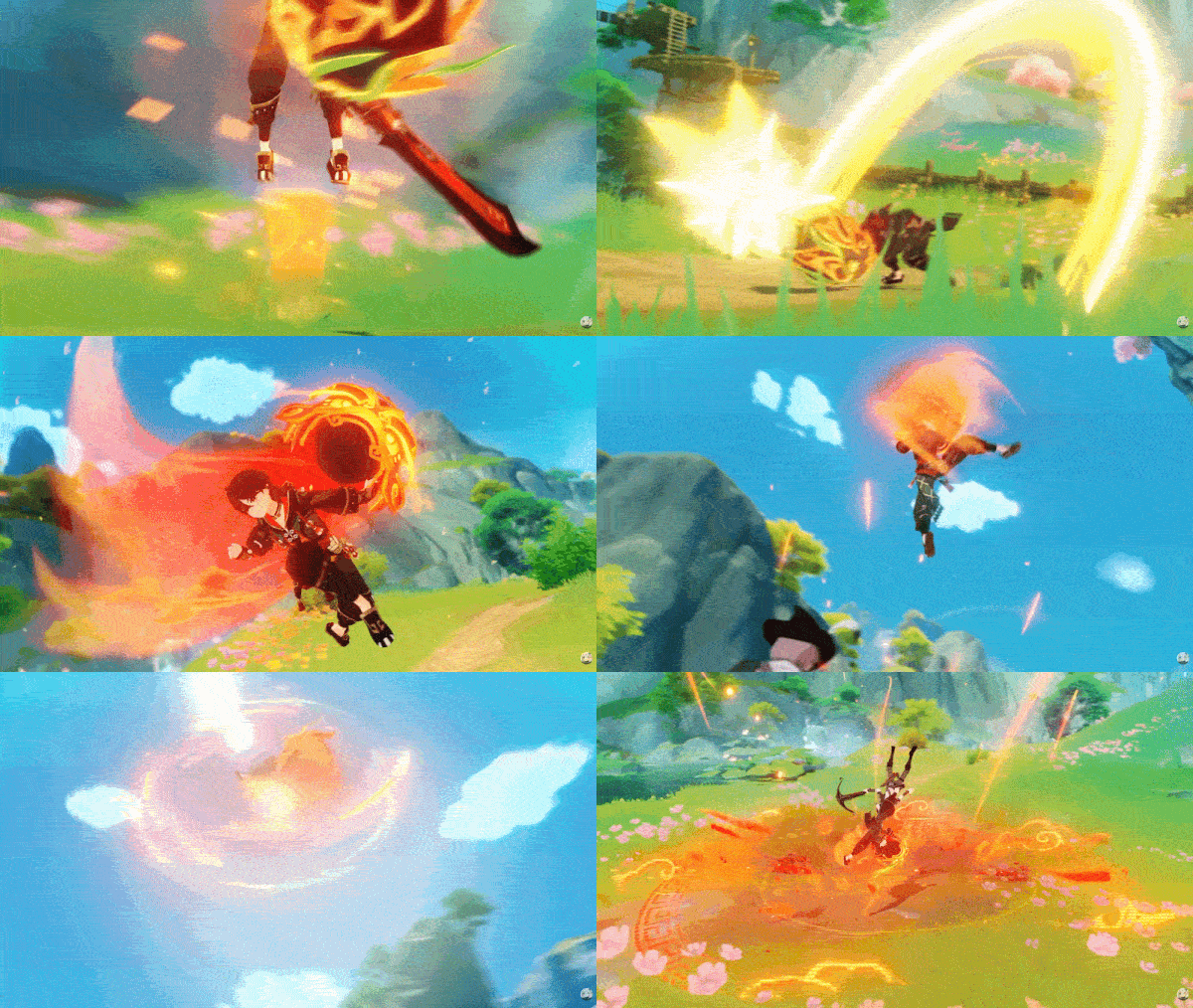
At its core, Genshin’s VFX achieve their signature character through four stylized pillars:
- Cel-Shaded & Sharp Borders: Instead of realistic smoke or fire gradients, the game uses hard-edged, vector-like silhouettes.
- Hand-Drawn Textures: Emitters utilize highly graphic, hand-painted textures and geometric shapes rather than complex fluid math.
- Bold Element Colors: Strict, high-contrast color theory separates the elements (like vibrant Pyro oranges vs. sharp Electro neon purples).
- Anime Timing & Spacing: Fast, snappy animation curves drop the viewer into exaggerated frames that mimic traditional 2D animation.
Let's dive into how Genshin Impact creates its iconic, snappy combat feel, and how you can replicate it in your own real-time pipelines.
Impact Frames: The Power of the 2-Frame Flash
If a hit takes too long to register, it feels mushy. To give a sword slash "crunch," HoYoverse artists utilize what traditional animators call Impact Frames.
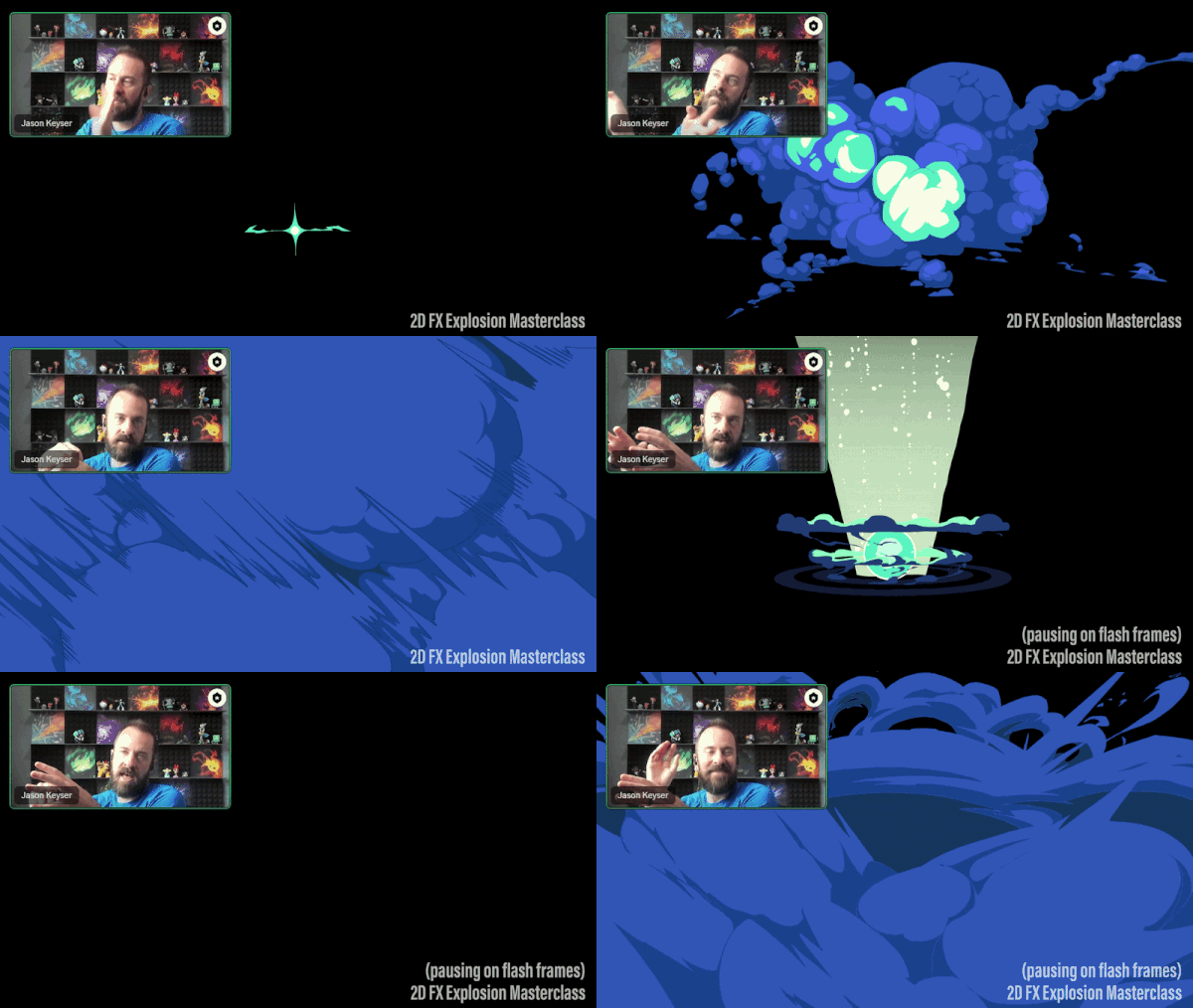
(Watch the full video about Flash Frames on our X (Twitter) Account)
Right at the exact frame of contact, the game engine pulls off a sudden visual stunt:
- For exactly one to two frames, a solid white or highly desaturated color overlay covers the screen or a massive localized area.
- On the subsequent frame, a simple post-processing math shader temporarily inverts the screen colors (turning blues to oranges, blacks to whites).
Case Study: Eula’s Glacial Illumination
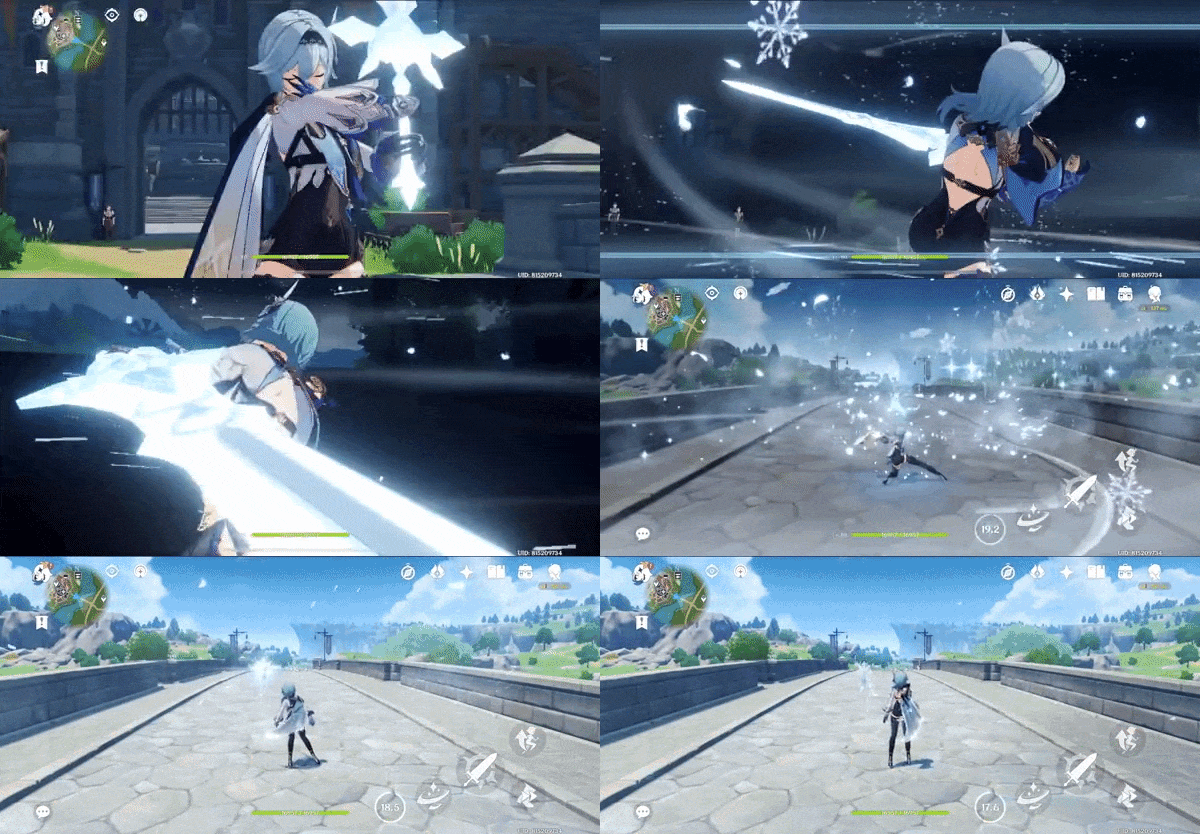
When Eula's Lightfall Sword detonates, the surrounding landscape flashes for a split second into a stark, inverted silhouette. This sudden high-contrast shock makes the physical impact feel immensely heavy and abrupt.
This brief visual shock resets the player's eyes, creating a psychological "jolt" that tricks your brain into feeling massive physical resistance and energy release without lagging your graphics card.
Our alumni and mentor, De Andre Martin, created this incredible guide on Real-Time Impact Frames in Unreal. Feel free to check it out!
Mesh Distortion: Volumetric Sword Slashes
Those who start working in an engine often begin by spawning a perfectly flat, uniform 2D disc texture for a sword slash.
In Genshin, their elemental slashes are made with complex 3D custom meshes:
- These meshes are modeled with extreme asymmetry, featuring a razor-sharp front edge and a dynamically expanding trailing edge.
- The material shader dynamically pushes and stretches the vertices linearly along the arc direction over the particle’s short lifespan.
Case Study: Kamisato Ayato’s Suiyuu
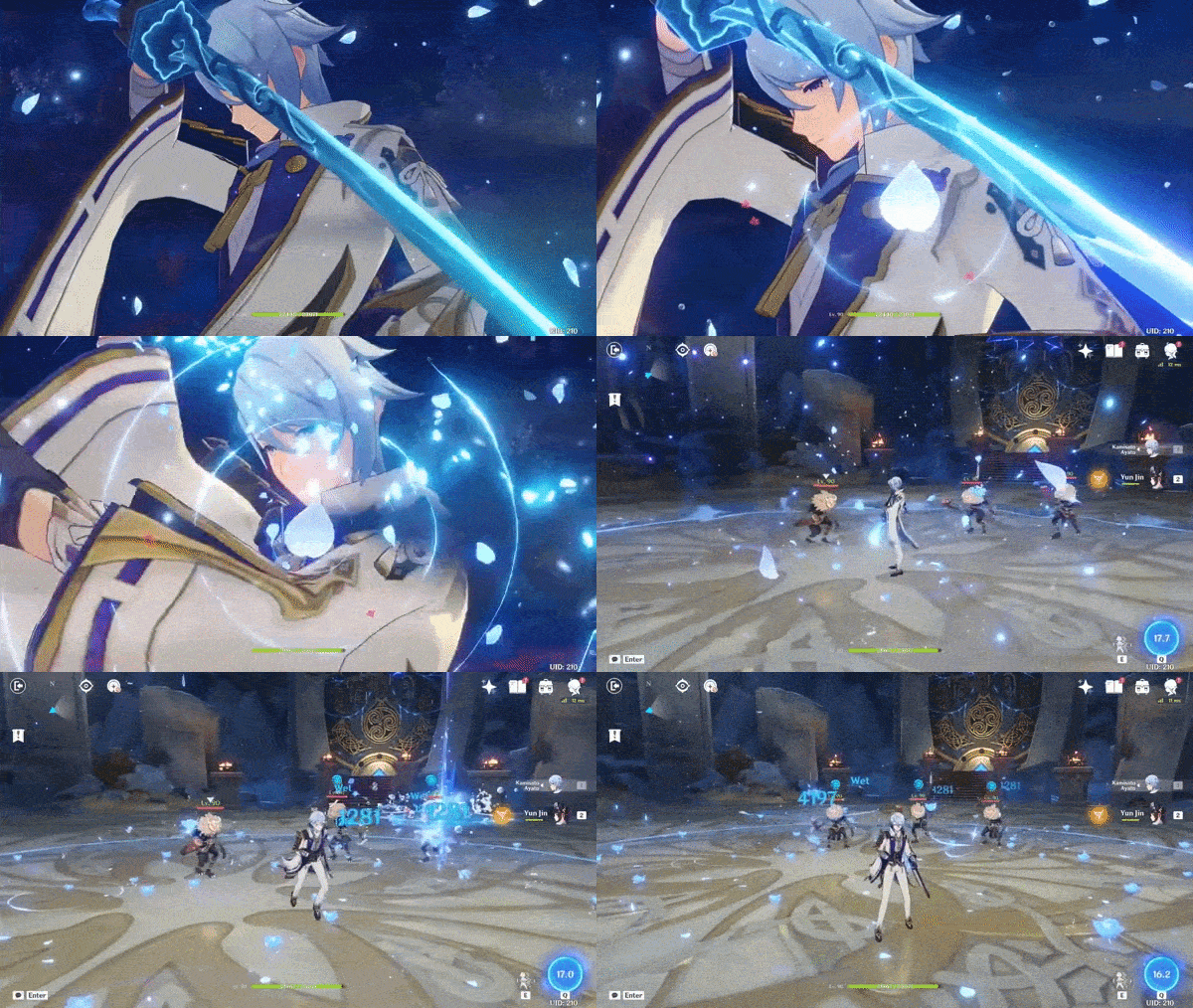
Ayato's rapid-fire Hydro slashes are actually highly distorted, crescent-shaped 3D geometries. As his blade moves, a vertex shader aggressively stretches the mesh's tail end backward.
This mimics camera shutter lag and human motion blur perfectly, creating an illusion of a directional, supersonic speed that a uniformly expanding circle simply cannot achieve.
Cel Shading: Hand-Drawn "Manga" Accents
We already covered how the classic Zelda cel-shaded look works before. What separates Genshin’s cel-shaded look from hyper-realistic AAA games is its stylized texture design.
This approach seamlessly blends 3D geometry with 2D comic-art principles:
- Everything uses hard-edged, high-contrast vector masks rather than soft, realistic smoke gradients.
- When an elemental burst hits an enemy, the system spawns sharp, radial "manga action lines" on simple sprite planes that lock to the camera view.
Case Study: Diluc’s Dawn
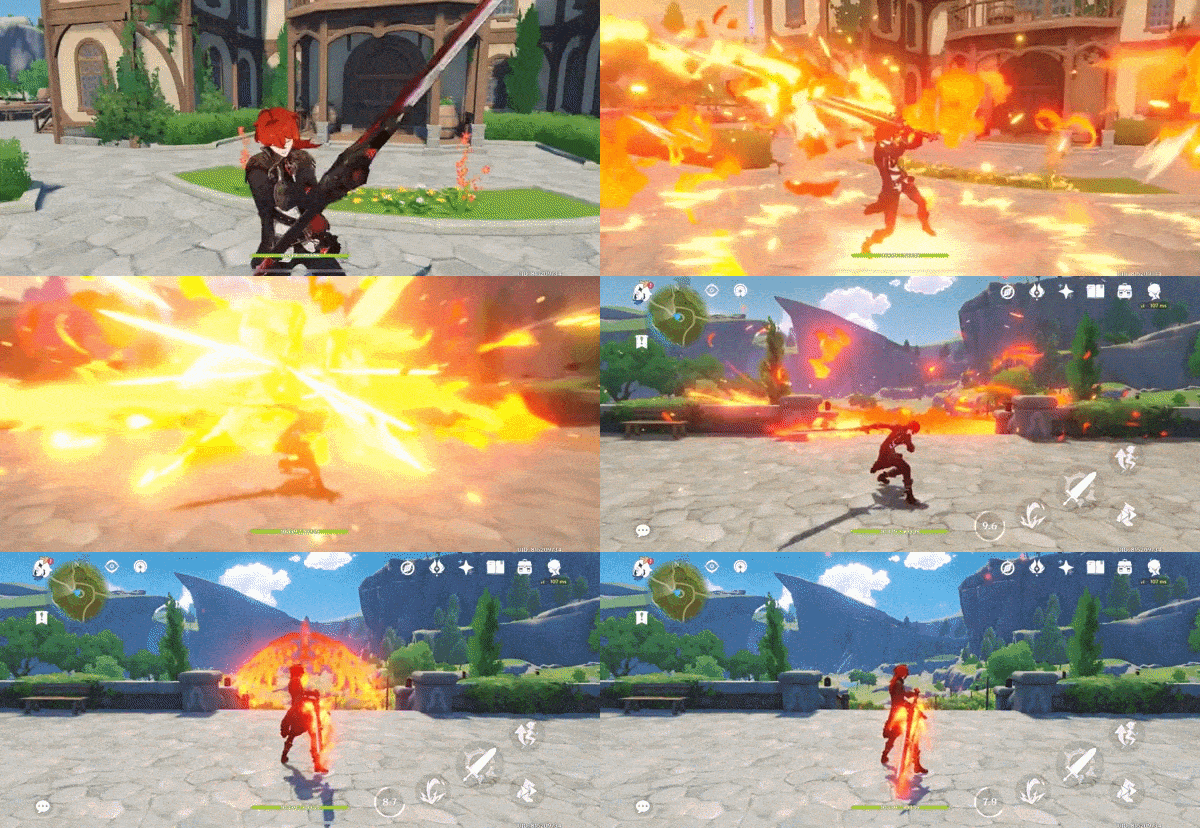
When Diluc unleashes his flaming phoenix, the billowing fire trails are composed of hard-edged, jagged vector shapes layered on top of each other. When it hits, sharp "impact stars" - identical to the impact stars drawn in shonen manga action scenes - burst outward on flat planes to emphasize the heat and violence of the strike.
By grounding the particle textures in graphic illustration rather than realistic physics, the VFX remain clean, vibrant, and incredibly readable even in chaotic 4-player co-op battles.
Advanced Character Analysis: Bending the Engine
To see these principles combined at the highest level, let’s look at three character ultimate animations that push the technical art team to its limits:
Zhongli (Planet Befall)
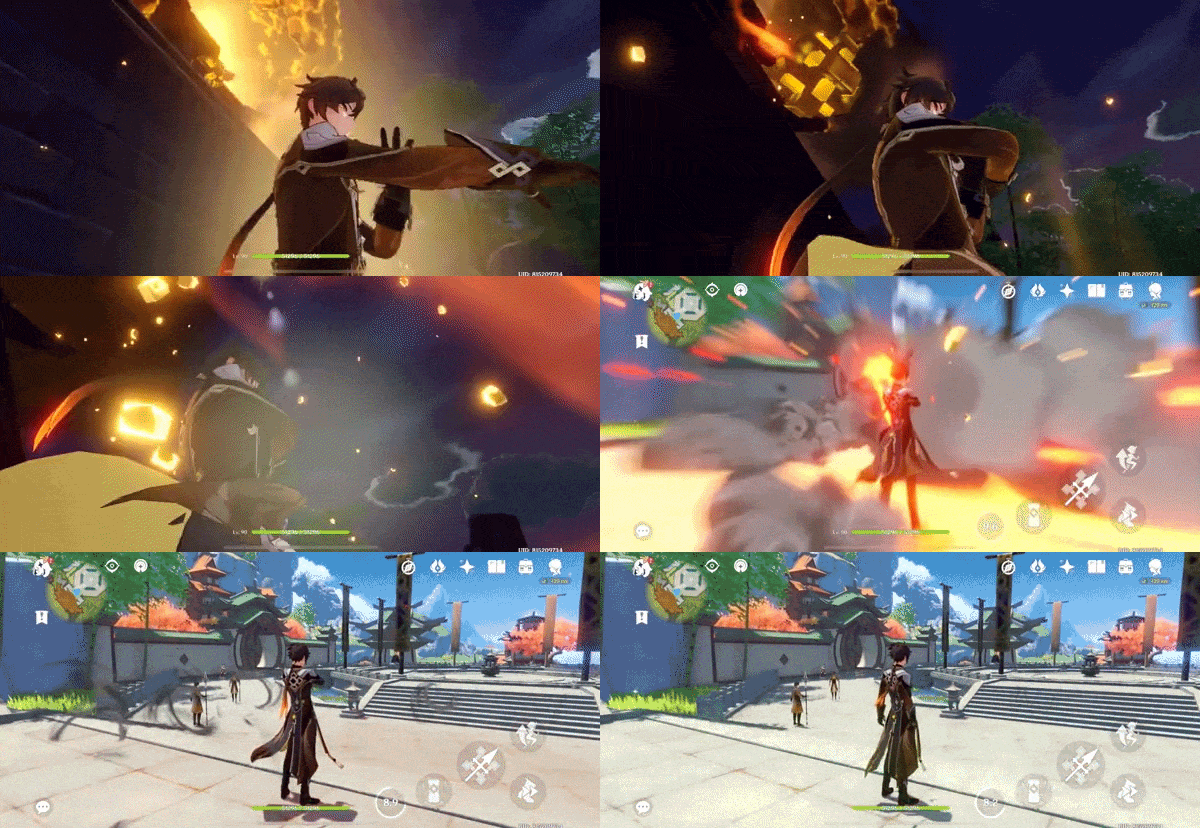
- Camera Cheat: locking and dropping FOV to make the meteor look gigantic
- "Fake" Time Stop: intentional micro-pause on enemies upon impact
- Shader Trigger: seamlessly applying a gray, high-contrast noise-layered stone material override
Raiden Shogun (Musou no Hitotachi)
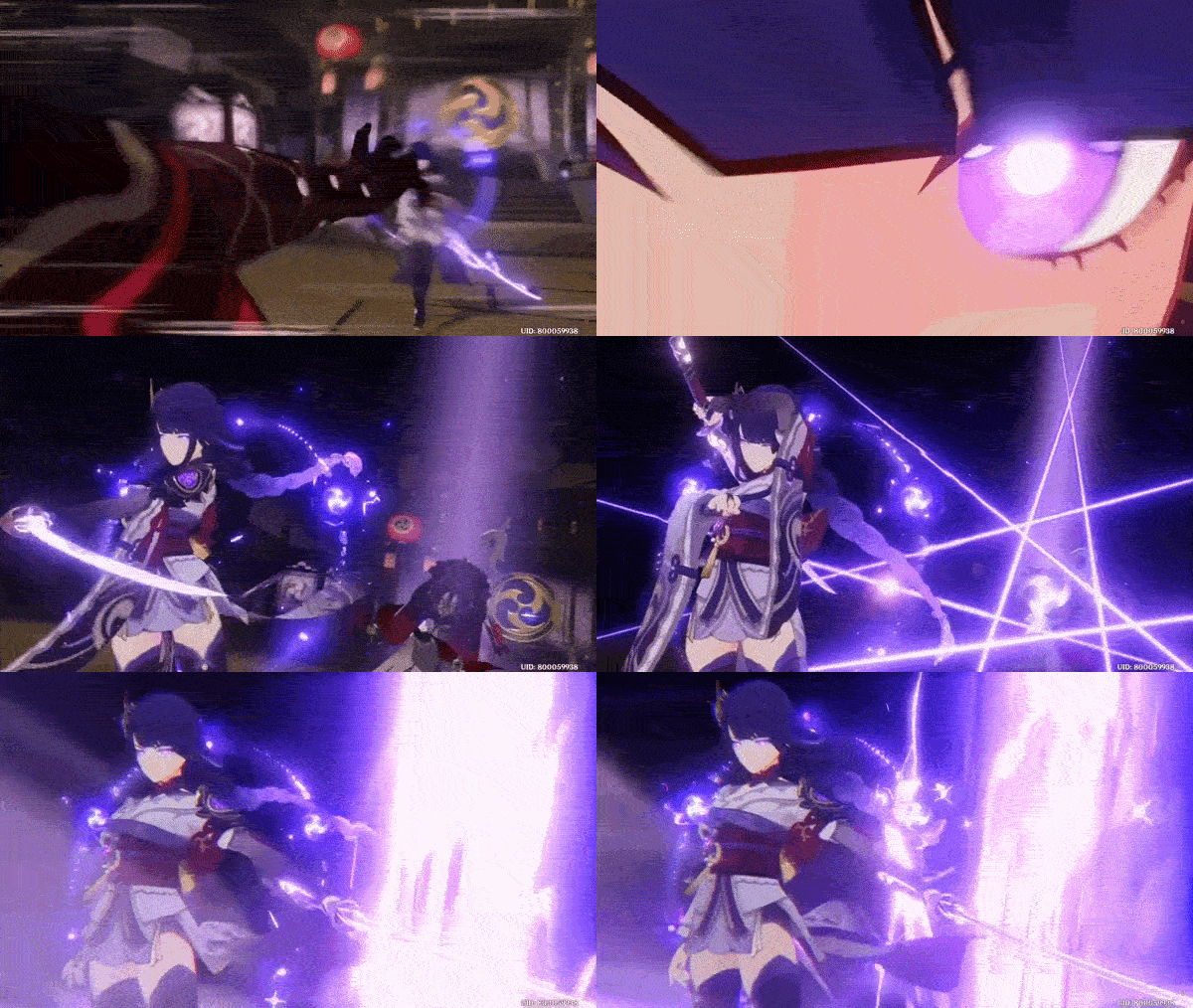
- Reality Crack: a flat, unlit geometric ribbon banner with an emissive panning noise texture
- Post-Processing Inversion: a full-screen shader mask pulling a vignette overlay and desaturating everything except Raiden and her glowing Electro eye trails
Nahida (Illusionary Heart)

- Relies on Procedural Math over Geometry: using a custom transparent material shader mapped to a simple hemisphere mesh for the "Shrine of Maya" dome
- Dynamic Grid Lines: World Position offset math to project pulsing neon floor grids dynamically over any terrain
Actionable Takeaway for Your Portfolio
The secret to impactful anime VFX is timing, contrast, and restraint.
Next time you open Unreal Engine or Unity to build a combat effect, try cutting your particle lifespans in half, adding a 2-frame high-contrast screen flash, and hand-crafting a stylized slash mesh. Your portfolio will thank you.
Start Your VFX Apprenticeship
Begin your journey towards mastering FX for games and animation. Join VFX-A All Access and discover cutting-edge 2D, 3D, and real-time FX training.